
Nigeria’s Property Price Surge Loses Heat
- Business
Chukwuma Zuru
- 0
- 4 minutes read
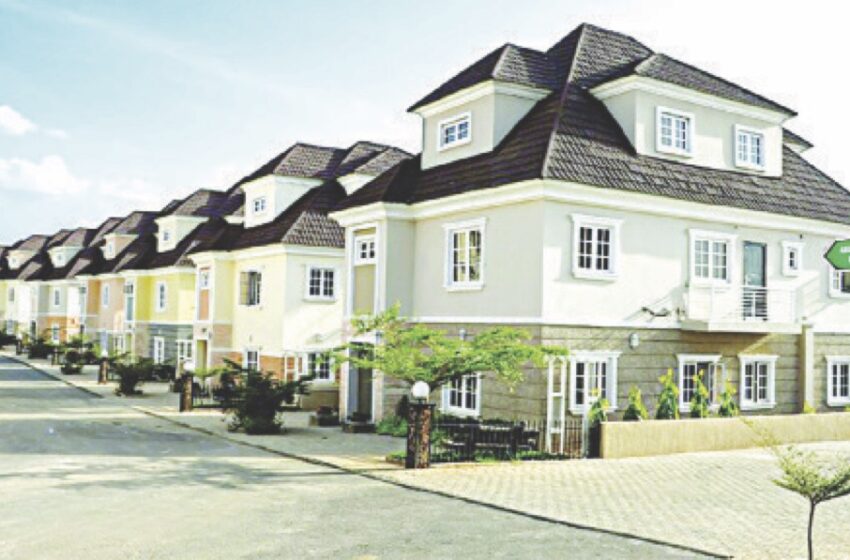
Nigeria’s real estate market is slowing after two years of sharp price jumps. New listings are rising. Vacancies are more visible. Buyers now have more options and more bargaining power. This shift is showing up first in high-end and commercial districts across Lagos and Abuja, where developers are pushing inventory into a market that is no longer absorbing units at the same pace.
Agents report more empty apartments in Ikoyi, Lekki and Jabi. Property owners who held firm on pricing last year are now open to negotiations. Some are offering flexible payment timelines. Others are adjusting rents to avoid long vacancies. These changes are subtle but they signal a market that is cooling at the top while pressure grows at the lower and middle segments.
The slowdown is tied to economic strain. Inflation remains high. Salaries are not rising at the same rate as rent. Construction costs keep climbing, which limits new supply and pushes developers to raise prices. Buyers are cautious. Many prefer to wait. Mortgage access is still limited because interest rates keep climbing. Banks now issue fewer long-term loans, making homeownership harder for most Nigerians.
Data shows an increase in unsold luxury units. Developers are sitting on completed projects because the target buyers are fewer. Office spaces are also feeling the slowdown. Companies are cutting costs. Some are downsizing or moving to hybrid models. That means less demand for large corporate buildings. More spaces sit empty while landlords adjust their expectations.
Even with this cooling, affordability remains a major issue. Prices are still high for most Nigerians. The cooling trend does not mean cheaper homes. It only shows the market is adjusting to economic pressure. Developers are trying to survive high building costs. Buyers are trying to survive high living costs. This tension is what drives the current slowdown.
Some investors see opportunity in this moment. More listings mean better deals. More negotiation means lower entry points for buyers with strong liquidity. Some are already shifting focus to distressed assets, unfinished projects, and older buildings that need renovation. These properties offer better margins in a tight market.
Nigeria’s real estate sector is entering a recalibration cycle. The cooling will not crash the market, but it will expose weak projects. It will slow speculative buying. It will reward developers who prioritize quality, pricing discipline, and real demand. The next few months will reveal which players understand the shift and which ones remain stuck in last year’s optimism.
