Africa Rethinks Its Financial Future as Leaders
Africa is entering a critical moment in its economic history as leaders, economists, and policymakers push for a major shift away from dependence on foreign aid toward self-financed development. At

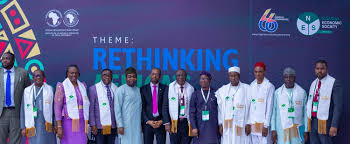
Africa is entering a critical moment in its economic history as leaders, economists, and policymakers push for a major shift away from dependence on foreign aid toward self-financed development. At
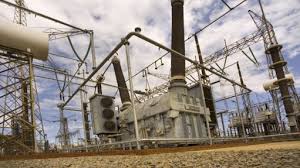
South Africa is experiencing a rare wave of economic optimism as improvements in electricity supply begin to ease years of severe power shortages that have disrupted businesses, slowed economic growth,
Africa is entering a critical moment in its economic history as leaders, economists, and policymakers push for a major shift away from dependence on foreign aid toward self-financed development. At the center of this conversation are the African Development Bank (AfDB) annual meetings, where governments across the continent are debating
South Africa is experiencing a rare wave of economic optimism as improvements in electricity supply begin to ease years of severe power shortages that have disrupted businesses, slowed economic growth, and weakened investor confidence. The country’s long-standing electricity crisis, largely driven by challenges at the state-owned power utility Eskom, has
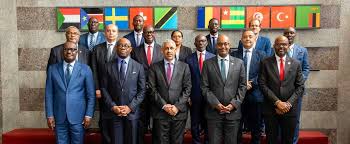
African leaders, economists, and financial institutions are gathering in Brazzaville for one of the continent’s most critical economic meetings in recent years as concerns grow over shrinking foreign aid, rising debt, and the urgent need for Africa to finance its own future. The 2026 Annual Meetings of the African Development
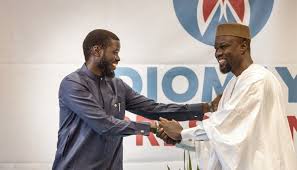
Senegal is facing one of its most dramatic political moments in recent years after President Bassirou Diomaye Faye dismissed Prime Minister Ousmane Sonko and dissolved the entire government following months of growing tensions between the two former allies. The shocking move has triggered widespread debate across Africa and raised serious