
How Power Plays in China, the West, and Beyond Are Quietly Reshaping Global Politics
- Entertainment Featured Politics World
Anyaele Happiness
- 0
- 4 minutes read
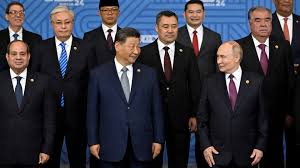
Global politics is being shaped less by public speeches and campaign promises and more by behind-the-scenes power moves that signal where the world may be heading next. Recent political developments, from leadership purges in China’s military to diplomatic recalibrations in the United Kingdom and internal party struggles in democratic nations, reveal a shared global reality: power is being tested, consolidated, and repositioned in real time.
In China, the removal of senior military figures once considered loyal to President Xi Jinping has drawn international attention and concern. Officially framed as anti-corruption efforts, these purges are widely viewed as part of a broader strategy to tighten control over the armed forces and eliminate dissent within the ruling structure. Analysts warn that as decision-making becomes more centralized, the risk of miscalculation in sensitive areas such as Taiwan and regional security increases. The absence of internal opposition may strengthen authority, but it can also remove critical restraint.
Meanwhile, Western nations are navigating their own political recalibrations. In the United Kingdom, renewed diplomatic engagement with China highlights a pragmatic shift in foreign policy. Economic pressures and global competition are pushing leaders to reopen dialogue, even as concerns over human rights, cyber security, and geopolitical rivalry remain unresolved. This balancing act reflects a broader trend among Western governments: maintaining values-based diplomacy while acknowledging economic and strategic realities.
At the same time, internal political instability within democratic systems is becoming more visible. Leadership challenges, party divisions, and ideological rebranding efforts are surfacing in countries such as Australia and the UK, revealing voter dissatisfaction and uncertainty about political direction. These internal struggles may seem domestic, but they weaken cohesion at a time when global cooperation is increasingly necessary. When political parties are divided at home, their influence abroad often diminishes.
Technology and security concerns are adding another layer to the global political climate. Allegations of state-sponsored cyber espionage and foreign interference continue to strain diplomatic relations. Cyber operations have become a modern extension of political power, allowing states to project influence without traditional confrontation. This silent battleground is reshaping how nations perceive threats and defend sovereignty.
What connects these developments is a shared sense of strategic urgency. Governments are acting quickly, sometimes aggressively, to secure influence, control narratives, and position themselves for an uncertain future. The result is a world where political stability feels increasingly fragile, and where decisions made in private chambers can have global consequences.
For citizens, these shifts matter more than they may initially appear. Military decisions affect global security, diplomatic choices influence economic conditions, and internal political fractures shape how effectively governments respond to crises. Trust in leadership, transparency, and institutions is being tested everywhere — not just in authoritarian systems, but in democracies as well.
This moment in global politics is not defined by a single crisis, but by a pattern of consolidation, recalibration, and quiet confrontation. As power dynamics continue to evolve, the challenge for the world will be determining whether these changes lead to greater stability through cooperation, or deeper tension driven by unchecked authority and strategic rivalry.
One thing is certain: the political stories making headlines today are not isolated events. They are signals of a broader transformation unfolding across the global stage, and their impact will be felt long after the news cycle moves on.
