
Starmer’s China Pivot Signals a New Chapter in UK Foreign Policy
- Entertainment Featured Politics World
Anyaele Happiness
- 0
- 4 minutes read
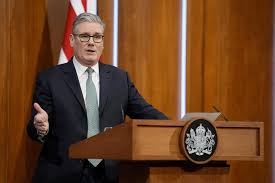
At a moment when Western alliances face increasing strain and global economic uncertainty looms large, UK Prime Minister Sir Keir Starmer has embarked on a high-stakes diplomatic mission to China — the first visit by a British prime minister in eight years. This trip is about far more than protocol and meetings; it reflects a conscious shift in how the United Kingdom is positioning itself on the world stage and how it hopes to balance economic opportunity with national security concerns.
Starmer’s journey to Beijing comes amid mounting criticism both at home and abroad. Critics warn that closer engagement with China could expose the UK to heightened national security risks, especially in light of concerns expressed by intelligence agencies about espionage and interference. At the same time, Starmer and his government argue that ignoring China — now the world’s second-largest economy — would be a dereliction of duty that undermines the UK’s economic prospects.
A significant feature of this visit is the size and composition of the UK delegation. More than 50 business leaders and representatives from the cultural sector are accompanying Starmer, highlighting that economic cooperation is at the heart of his agenda. Finance, manufacturing, green energy and technology sectors are all expected to be part of the conversations with Chinese counterparts, as the UK seeks to leverage trade to address domestic challenges like cost-of-living pressures.
But engagement with China doesn’t come without its political costs. Within the United Kingdom, opposition parties and security hawks have criticized Starmer for what they see as a soft approach to Beijing. Some have pointed to recent decisions — such as approving a large Chinese embassy in London — as symbolic of a foreign policy that prioritizes optics over caution. These critics argue that China’s track record on human rights, espionage, and geopolitical assertiveness requires a firmer stance than mere dialogue.
Internationally, Starmer’s trip highlights the geopolitical tightrope many Western leaders must now walk. While the United States continues to view China as a strategic competitor, particularly on issues ranging from trade to security, the UK is signaling its willingness to engage pragmatically. Starmer insists that strong US-UK relations are compatible with productive engagement with Beijing — a nuanced position framed as defending national interest rather than choosing sides in great-power rivalry.
This diplomatic outreach takes place against a backdrop of domestic political tension as well. Starmer’s government is navigating internal disputes over leadership dynamics and by-election strategies, all the while trying to maintain focus on long-term foreign policy goals. The juxtaposition of international diplomacy with domestic political debate underscores the complexity of modern leadership — where global engagement can’t be disentangled from local political pressures.
Whether or not this visit yields concrete agreements or trade deals, it marks a defining moment in British foreign policy. By choosing to engage China directly — and publicly defending that choice against both domestic and international criticism — Starmer is staking a claim that economic diplomacy and security awareness must go hand in hand. How this balance plays out in practice will shape not only the UK’s relationship with China, but also its broader role on the global stage in the years to come.
