
Nigeria 2027 Elections: Delays, Political Maneuvering and Rising Tensions Spark Early Concerns
- Entertainment Politics World
Anyaele Happiness
- 0
- 5 minutes read
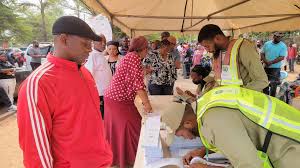
As Nigeria gradually moves toward the 2027 general elections, early warning signs are already shaping national conversations around preparedness, transparency, and political stability. What would normally be a period of structured planning and institutional coordination is instead being characterized by growing concerns about delays, intense political maneuvering, and the resurfacing of religious and regional sensitivities that have historically influenced electoral outcomes in Africa’s largest democracy. Observers, analysts, and civil society organizations are warning that the road to 2027 may be more complicated than anticipated, with significant implications for voter confidence and democratic integrity.
At the center of the discussion is the readiness of the Independent National Electoral Commission, the body constitutionally mandated to organize and supervise elections in Nigeria. While INEC has consistently maintained that preparations are underway, critics argue that legislative uncertainties, funding pressures, and unresolved reforms could slow down critical timelines. Elections in a country as vast and complex as Nigeria require years of logistical planning, procurement of sensitive materials, recruitment and training of ad hoc staff, voter registration updates, and technological testing. Any delay in early-stage planning can create ripple effects that affect credibility on election day.
Political maneuvering is another factor intensifying the atmosphere ahead of 2027. Across party lines, strategic alignments and quiet negotiations are already taking place as potential candidates position themselves for advantage. Within the ruling All Progressives Congress and opposition parties such as the Peoples Democratic Party, internal recalibrations are ongoing. Power blocs are being tested, alliances are being negotiated, and calculations around zoning and regional balance are resurfacing. Nigeria’s political landscape often hinges on delicate regional understandings between the North and the South, as well as religious considerations between Christian and Muslim communities. As discussions about candidacies intensify, these factors are increasingly influencing strategic decisions.
Religious tensions, in particular, remain a sensitive undercurrent in Nigeria’s electoral politics. The controversy surrounding religious balance in previous elections has not entirely subsided, and many analysts fear that political actors may once again deploy identity-based rhetoric to consolidate support. In a country where religion is deeply woven into social and political life, campaign narratives that lean heavily on faith identities risk deepening divisions. Civil society organizations are therefore calling for issue-based campaigns focused on economic reform, security, youth employment, inflation, and governance performance rather than appeals to sectarian loyalties.
Funding concerns also loom large. Conducting a nationwide election across 36 states and the Federal Capital Territory requires enormous financial resources. Discussions around budget allocations for election preparation have already sparked debate within the National Assembly. Delays in approving necessary funds could disrupt procurement processes and technology upgrades, especially in areas such as electronic transmission of results and biometric verification systems. After the contentious debates that followed the 2023 elections, many Nigerians are demanding stronger safeguards to ensure transparency and prevent technical failures that could undermine public trust.
Public sentiment reflects a mixture of anticipation and skepticism. While many citizens remain committed to participating in the democratic process, surveys and civic feedback indicate lingering doubts about institutional impartiality and political fairness. Nigeria’s democracy, restored in 1999 after years of military rule, has survived multiple electoral cycles, but each cycle has tested its resilience in different ways. The 2027 election is increasingly viewed as another critical stress test, particularly as economic pressures, insecurity challenges, and governance debates intensify nationwide.
Security remains an additional variable that cannot be ignored. Persistent security challenges in parts of the country, including insurgency in the Northeast, banditry in the Northwest, and separatist tensions in the Southeast, could complicate voter turnout and election logistics if not adequately addressed. Ensuring safe polling environments will require coordinated planning between electoral authorities and security agencies, as well as proactive community engagement to prevent voter intimidation or violence.
Despite these challenges, there are also opportunities embedded within the current concerns. Early debates about reforms, funding, and transparency may encourage stronger oversight and better planning if addressed decisively. Civil society groups, media organizations, and international observers are already engaging stakeholders to push for credible processes well ahead of election day. If political leaders prioritize institutional strengthening over short-term advantage, Nigeria could emerge from the 2027 election cycle with a more robust democratic framework.
Ultimately, the narrative surrounding the upcoming election is still being written. The months ahead will determine whether current warning signs evolve into systemic setbacks or are resolved through deliberate action and inclusive dialogue. For millions of Nigerians, the stakes are high. The outcome of 2027 will not only determine political leadership but will also signal the maturity and resilience of democratic governance in a nation often described as the heartbeat of Africa.
