
Super Eagles Soar as Nigerian Sports Enter a Season of High Stakes and Rising Expectations
- Entertainment Sports World
Anyaele Happiness
- 0
- 6 minutes read
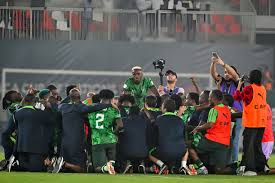
Sports excitement is building rapidly across Nigeria and far beyond its borders as football once again dominates national conversations. From bustling viewing centers in Lagos to social media debates among diaspora communities in Europe and North America, anticipation is rising ahead of key international fixtures and decisive domestic league battles. At the heart of this wave of enthusiasm is the Nigeria national football team, famously known as the Super Eagles, a team that carries not just tactical expectations but the emotional weight of over 200 million passionate supporters. With crucial international competitions on the horizon, fans are demanding more than flair—they want consistency, tactical discipline, mental resilience, and improved squad depth capable of competing with the very best in Africa and on the global stage.
Much of the spotlight remains firmly on Nigerian stars performing abroad, particularly Victor Osimhen. The prolific striker continues to capture headlines with his relentless goal-scoring ability, athleticism, and fearless attacking presence. Week after week, his performances in European competitions reinforce his reputation as one of Africa’s most influential football exports. Beyond the numbers, Osimhen symbolizes the modern Nigerian footballer—confident, ambitious, and capable of dominating at the highest level. His club success fuels optimism that Nigeria’s national team can build a formidable attacking force around him in upcoming tournaments. Supporters believe that if properly supported with creative midfield play and solid defensive organization, he could spearhead a golden era for Nigerian football.
However, discussions about the Super Eagles go beyond individual brilliance. Analysts and former players frequently emphasize the importance of building a balanced squad rather than relying solely on overseas stars. Questions about tactical identity, coaching philosophy, and long-term planning continue to shape debates on sports radio and television. Should Nigeria adopt a high-pressing European style, or lean into the physical, fast-paced identity that has historically defined African football? These conversations reflect a broader desire to see the national team evolve strategically while maintaining its traditional strengths of pace, power, and attacking flair.
On the domestic front, the Nigeria Professional Football League is experiencing a renewed sense of competitiveness and visibility. Clubs are locked in intense battles for continental qualification spots, while relegation fights add further drama to the season. Emerging young talents are seizing opportunities to shine, using the league as a launchpad for international careers. Scouts from Europe and North Africa are reportedly paying closer attention to NPFL fixtures, signaling renewed confidence in Nigeria’s local football ecosystem. Improved officiating standards, digital broadcast enhancements, and increasing sponsorship negotiations are gradually reshaping perceptions of the domestic league.
The ambition to restore Nigeria’s dominance in African club football is also evident in continental competitions. Teams representing the country in the CAF Champions League are striving to make deeper runs in the tournament, determined to revive memories of past triumphs. Strong continental performances would not only boost Nigeria’s football reputation but also attract investment into youth academies, infrastructure upgrades, and grassroots programs. Administrators understand that sustained success at club level strengthens the national team pipeline by providing competitive platforms for emerging players.
Beyond football, other sports are contributing to Nigeria’s rising profile on the global stage. Basketball continues to gain traction, with increased attention on both male and female national teams preparing for international qualifiers. Athletics remains a pillar of national pride, especially as Nigerian sprinters and field athletes intensify preparations for global championships and Olympic qualification events. The push to nurture young athletes across multiple disciplines reflects a broader ambition to diversify Nigeria’s sporting achievements rather than rely solely on football glory.
Investment in grassroots development is becoming a recurring theme in policy discussions. Sports administrators and private investors alike recognize that sustainable success depends on early talent identification, modern training facilities, and professional management structures. Schools and community academies are being encouraged to revive competitive sports programs, ensuring that the next generation of athletes receives structured mentorship and exposure. The long-term vision is to build a system where talent development is not accidental but systematic and well-funded.
For millions of Nigerians, sports represent more than competition—they symbolize unity, resilience, and hope. In a nation often challenged by economic pressures and social divisions, major sporting events create shared moments of celebration that transcend ethnic, religious, and regional boundaries. When the Super Eagles score, when a Nigerian striker shines in Europe, or when a homegrown club advances in continental competition, the celebrations echo across cities and villages alike.
As the sporting calendar intensifies in the months ahead, expectations will continue to rise. Supporters are eager for trophies, memorable performances, and evidence that Nigeria can compete with global heavyweights. Whether through the brilliance of stars abroad, the resurgence of domestic leagues, or breakthroughs in athletics and basketball, Nigeria’s sports scene is entering a defining period. The stakes are high, the talent is undeniable, and the passion of the fans remains unwavering. The question now is whether this season of promise will translate into sustained excellence and historic achievements for Nigerian sports.
