
Zimbabwe Introduces Long-Acting HIV Prevention Drug in Major Public Health Breakthrough
- Featured World
Anyaele Happiness
- 0
- 3 minutes read
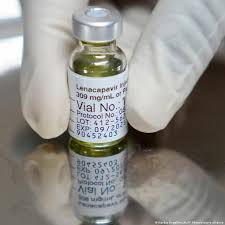
Zimbabwe has begun rolling out a long-acting injectable HIV prevention drug for people at high risk of infection, marking a significant milestone in the country’s fight against HIV/AIDS. The introduction of lenacapavir, a medication administered less frequently than traditional daily pills, is being viewed as a potential game changer in improving adherence and reducing new infections.
For years, HIV prevention strategies across Africa have relied heavily on daily oral pre-exposure prophylaxis (PrEP). While effective, daily medication can present challenges including stigma, forgetfulness, limited access to clinics, and inconsistent use. The arrival of a long-acting injectable option offers an alternative that may overcome many of these barriers. By reducing the number of doses required annually, healthcare providers hope to improve protection among vulnerable populations.
Zimbabwe has one of the highest HIV burdens in the region, though it has made notable progress over the past decade in expanding testing and treatment services. The government, in collaboration with international health partners, is prioritizing access for individuals considered at highest risk, including sex workers, adolescent girls and young women, and people in high-transmission communities. Public health officials believe that targeted deployment could significantly reduce new infection rates if uptake is strong.
The introduction of the drug also reflects broader shifts in HIV prevention across Africa, where innovation is increasingly focused on long-acting solutions. Injectable treatments and preventive therapies are seen as critical tools in reaching global targets to end AIDS as a public health threat. However, cost, supply chains, and healthcare system capacity remain important factors in determining how widely and quickly such interventions can expand.
Health advocates in Zimbabwe have welcomed the development but stress the importance of community education and sustained funding. Ensuring that patients understand how the drug works, its benefits, and possible side effects will be essential for building trust and encouraging consistent participation. At the same time, continued international financial support will play a key role in maintaining availability and affordability.
Zimbabwe’s rollout could serve as a model for neighboring countries exploring similar programs. If successful, the initiative may not only strengthen national HIV prevention efforts but also signal a new chapter in Africa’s broader public health strategy—one that embraces medical innovation to address long-standing challenges with renewed determination.
