
How Africa Is Becoming the World’s New Shipping Powerhouse in 2026
- Entertainment Featured Politics World
Anyaele Happiness
- 0
- 4 minutes read
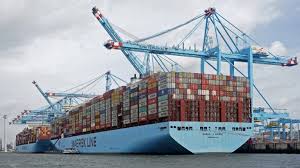
For decades, global trade has depended on predictable routes such as the Suez Canal, connecting major economies across Europe, Asia, and the Middle East. In 2026, however, that long-standing system is being disrupted. Rising insecurity and instability in the Red Sea region have forced global shipping companies to rethink their routes, leading to a significant increase in vessels traveling around the Cape of Good Hope in South Africa. What initially appeared to be a temporary adjustment is quickly evolving into a shift with long-term consequences for global commerce and Africa’s economic future.
Shipping companies are choosing longer routes not because they are cheaper or faster, but because they are safer. The risks associated with passing through traditional corridors have made reliability more valuable than speed. As a result, Africa’s coastline is witnessing a surge in maritime traffic, placing countries like Nigeria and Kenya in a position of growing strategic importance. This shift is not only redirecting ships but also redirecting economic opportunities toward the continent.
The increase in shipping activity is already translating into tangible economic benefits. Ports are experiencing higher volumes of traffic, leading to increased revenue from docking fees, cargo handling, and logistics services. Cities such as Lagos and Durban are becoming more prominent in global trade discussions as their ports handle more international vessels. This rise in activity is stimulating growth in related industries, including transportation, warehousing, and supply chain management.
Another major area of growth is the bunkering industry, which involves supplying fuel to ships during long voyages. With vessels traveling longer distances around Africa, the demand for fuel has increased significantly. This presents a unique advantage for oil-producing nations, particularly Nigeria, which can leverage its resources to serve the growing needs of international shipping companies. If properly managed, this could generate substantial foreign exchange earnings and strengthen the country’s position in global energy markets.
The surge in maritime activity also has broader implications for employment and infrastructure development. Increased demand for port services is creating jobs across multiple sectors, from dockworkers to logistics managers. Governments are beginning to recognize the need to invest in modernizing port infrastructure, improving efficiency, and expanding capacity. These developments have the potential to stimulate wider economic growth, especially in coastal regions.
Despite these opportunities, significant challenges remain. Many African ports are not yet equipped to handle the scale and efficiency required for sustained global traffic. Infrastructure gaps, outdated equipment, and limited capacity could hinder progress if not addressed quickly. Security concerns, particularly in regions like the Gulf of Guinea, continue to pose risks to maritime operations. Additionally, bureaucratic inefficiencies and delays in customs processes can discourage investment and reduce competitiveness.
For Nigeria, the current situation represents both an opportunity and a test. The country has the potential to become a leading maritime hub in West Africa, attracting investment and boosting economic growth. However, achieving this will require deliberate efforts to improve port infrastructure, strengthen security, and streamline regulatory processes. Without these improvements, Nigeria risks losing its competitive edge to other countries that are better prepared to capitalize on the shift.
What is happening now may have started as a response to geopolitical tensions, but it could lead to a lasting transformation in global trade patterns. If shipping companies continue to find the African route reliable and economically viable, the continent could secure a more central role in international commerce for years to come. The current moment presents a rare opportunity for African nations to reposition themselves within the global economy.
Africa is no longer on the sidelines of global trade. It is increasingly becoming a critical player in shaping how goods move across the world. The decisions made today by governments, investors, and industry leaders will determine whether this shift becomes a temporary advantage or a permanent turning point in the continent’s economic trajectory.
