
Nigerians Struggle With Rising Costs as Inflation Crisis Continues to Squeeze Households Nationwide
- Featured Politics World
Anyaele Happiness
- 0
- 6 minutes read
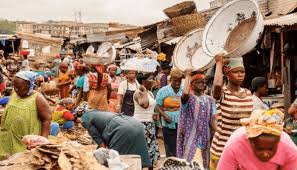
\\The rising cost of living in Nigeria has become one of the most pressing concerns for millions of citizens as inflation continues to impact households, businesses, and entire communities across the country. From food prices and transportation costs to housing expenses and utility bills, many Nigerians are finding it increasingly difficult to keep up with daily expenses, creating widespread conversations about economic stability, purchasing power, and the future of the country’s economy.
Across major cities and rural communities alike, the effects of inflation are being felt in nearly every aspect of daily life. Market traders report fluctuating prices for basic commodities, transport operators continue adjusting fares in response to operational costs, and families are being forced to rethink household budgets as incomes struggle to match rising expenses. For many Nigerians, managing everyday necessities has become significantly more challenging than it was just a few years ago.
One of the biggest concerns remains the cost of food. Staple items that form the foundation of household meals have seen substantial price increases, placing additional pressure on families already dealing with economic uncertainty. Consumers frequently report spending a larger portion of their income on groceries, leaving less money available for education, healthcare, transportation, and other essential needs. The situation has become particularly difficult for low-income households, where even modest increases in food prices can have a significant impact on quality of life.
Transportation costs have also emerged as a major challenge. As fuel-related expenses continue to influence operating costs, commuters in many parts of the country are paying more to travel to work, school, and business activities. This increase creates a ripple effect throughout the economy, affecting the prices of goods and services as businesses pass higher logistics costs on to consumers. The result is a cycle that further contributes to inflationary pressures and deepens concerns about affordability.
Small and medium-sized enterprises are equally feeling the strain. Business owners across various sectors report rising operational costs, including rent, electricity, raw materials, and transportation. Many entrepreneurs say they are facing difficult decisions about pricing, staffing, and expansion plans as they attempt to remain competitive in an increasingly challenging economic environment. For businesses operating on thin profit margins, sustained inflation can pose serious risks to long-term sustainability.
Economic analysts point to a combination of domestic and international factors contributing to Nigeria’s inflationary challenges. Currency pressures, supply chain disruptions, insecurity affecting agricultural production, and fluctuations in global commodity markets have all played roles in shaping current economic conditions. Additionally, developments in the international oil market continue to attract attention, as changes in global energy prices often have significant implications for Nigeria’s economy and public finances.
The impact of inflation extends beyond financial concerns and increasingly affects social well-being. Families are adjusting spending habits, postponing major purchases, and seeking alternative ways to manage expenses. Some households have reduced discretionary spending altogether, focusing only on essential needs. Others are exploring additional income streams to cope with rising living costs. These adaptations reflect the resilience of many Nigerians but also highlight the growing pressure on household finances.
The economic situation has become a major topic of discussion across social media platforms, where citizens regularly share personal experiences and concerns about affordability. Conversations about food prices, rent increases, transportation costs, and employment opportunities frequently dominate online discussions, reflecting the widespread nature of the challenge. For many Nigerians, inflation is no longer viewed as an abstract economic indicator but as a daily reality that directly influences decisions about work, spending, and family life.
Despite the difficulties, there are ongoing debates about potential solutions and policy responses. Economists and business leaders continue to advocate measures aimed at improving productivity, strengthening local industries, supporting agriculture, stabilizing prices, and encouraging investment. Many believe that addressing structural challenges within key sectors of the economy will be essential to achieving long-term stability and reducing inflationary pressures.
The agricultural sector remains central to these discussions. Improved security in farming communities, better infrastructure, access to financing, and modern agricultural techniques are often cited as critical factors that could help boost food production and reduce supply shortages. Increased productivity within the sector could contribute to greater price stability while supporting economic growth and job creation.
For ordinary Nigerians, however, the immediate concern remains affordability. The question facing many households is not simply whether inflation will eventually decline but how they can manage the current realities of rising expenses. Every increase in the cost of food, transportation, housing, or healthcare has tangible consequences for families trying to maintain their standard of living amid economic uncertainty.
As policymakers, business leaders, and economic experts continue searching for solutions, the cost-of-living crisis remains one of the defining issues shaping public discourse in Nigeria today. The ability to address inflation effectively will likely influence not only economic outcomes but also public confidence, consumer spending, and broader perceptions of national progress.
For millions of Nigerians navigating these challenges each day, the hope is that meaningful improvements will emerge in the months ahead. Until then, rising prices and economic pressures are expected to remain at the center of national conversations, affecting households, businesses, and communities across the country.
