
From Runway to Revenue: Lagos Fashion Week’s Economic Role
- Business Entertainment
Chukwuma Zuru
- 0
- 4 minutes read
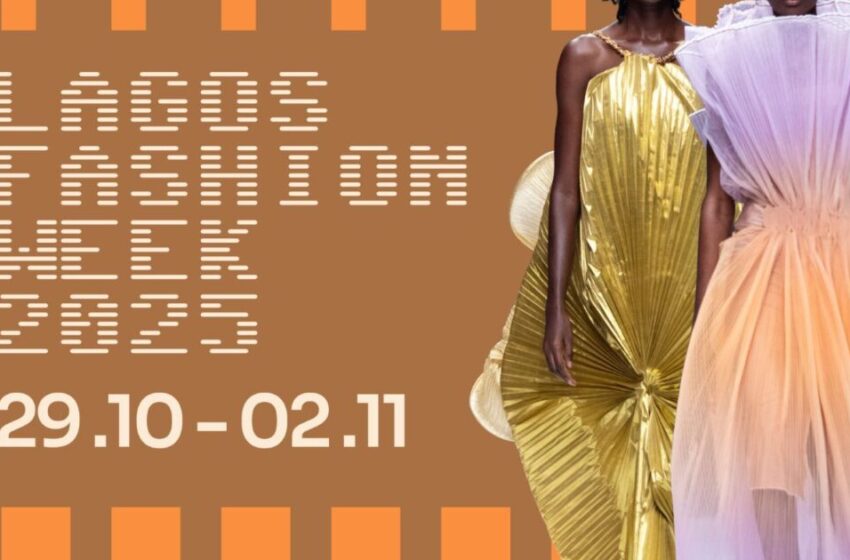
Lagos Fashion Week has grown into more than a runway event. It now drives jobs, trade, and global attention for Nigerian fashion. The 2025 edition marked the platform’s 15th year. Over 60 designers showed new collections. More than 15,000 guests attended.
The event feeds the Lagos economy in clear ways. Hotels fill up. Restaurants and transport services earn more business. Event suppliers get orders for staging, lighting and fabrics. Local tailors and ateliers secure commissions before and after the shows. These ripple effects boost income for small businesses across the city.
Sponsorship and partnerships bring direct investment to Lagos. Corporations and development banks now back Fashion Week initiatives. The Africa Finance Corporation partnered with the event to strengthen textile manufacturing and exports. Such deals link fashion to industry finance and to plans for scaling local production.
The event also creates new market channels for designers. Pop-ups and retail collaborations with local stores give designers direct access to buyers. International buyers and talent scouts attend the week. That access turns creative work into sales. It shortens the path from studio to shop.
Green Access, Lagos Fashion Week’s sustainability accelerator, reshapes supply chains. The programme pushes reuse, natural dyes, and repair-first approaches. It trains young designers to design with waste in mind. This approach lowers production cost for small labels. It also makes brands more attractive to investors focused on environmental standards.
Fashion Week raises the profile of Nigerian skills and materials. International coverage places Nigerian designers in front of new editors, buyers and platforms. That attention leads to licensing deals, showroom invitations, and collaborations with global brands. It also boosts streaming of Nigerian culture and drives tourism interest.
The scale of Lagos Fashion Week supports workforce development. Masterclasses, business clinics and mentorships run during the week. Emerging designers leave with practical know-how on production, pricing and export readiness. Over time, this lifts the capacity of the whole value chain from pattern cutters to export managers.
There are measurable trade implications. Industry reports link fashion events to higher apparel exports and stronger local manufacturing. The Africa Finance Corporation projects Africa’s apparel and textile exports reaching billions by 2030 and highlights Lagos Fashion Week as a catalyst for that growth. When designers scale production for export, they create factory jobs and link local mills into global value chains.
Challenges remain. Currency volatility raises input costs for designers who import materials. Logistics and industrial capacity still limit large scale production in Nigeria. Yet the event helps address those gaps by drawing investor attention and policy conversation to the sector. Public and private actors now discuss financing, infrastructure and skills for creative manufacturing.
For Lagos and Nigeria, the message is simple. Fashion Week turns creativity into economic value. It makes design a job generator. It positions Nigerian fashion on global stages. That positioning attracts capital, distribution and new markets. The long term prize is a stronger creative economy with deeper industrial links.
