
Blood in the Night: Horror Unleashed in Jos as Gunmen Massacre Innocent Residents
- Featured Politics World
Anyaele Happiness
- 0
- 4 minutes read
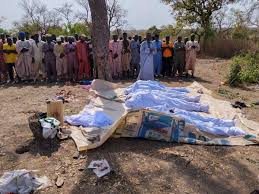
The quiet of the night was shattered in Plateau State when heavily armed attackers descended on a community in Jos, leaving a trail of death, fear, and destruction in their wake. What began as an ordinary evening quickly turned into a nightmare as residents were jolted awake by the sound of gunfire echoing through the darkness. Witnesses described a coordinated assault, with gunmen moving from house to house, shooting indiscriminately and setting parts of the community into panic. By the time the attack subsided, at least 20 people had lost their lives, and many others were left injured or missing.
Survivors recounted harrowing experiences of hiding in fear, fleeing into nearby bushes, or desperately trying to protect their families as the violence unfolded. For many, the attack was not just a moment of terror but a traumatic event that will linger long after the gunshots have faded. The psychological toll is evident, with children, women, and elderly residents among those most affected. Homes were abandoned in haste, belongings left behind as families sought safety wherever they could find it.
In the aftermath, security forces were deployed to the area, and a curfew was swiftly imposed in an attempt to restore calm and prevent further bloodshed. However, for many residents, these measures feel reactive rather than preventive. Questions are being raised about how such a large-scale attack could occur without prior warning or rapid intervention. The sense of vulnerability is growing, as communities fear that they may be the next target in a cycle of violence that shows no clear signs of ending.
The attack is widely believed to be connected to the long-standing tensions between farming communities and armed groups in the region, a conflict often fueled by disputes over land, resources, and ethnic divisions. Over the years, this crisis has evolved into a complex security challenge, drawing in various actors and leaving countless communities caught in the crossfire. Despite repeated promises and interventions by authorities, lasting peace has remained elusive, and each new incident further erodes public confidence.
Local leaders, advocacy groups, and concerned citizens are now calling for urgent and decisive action from the government. They stress that beyond deploying troops after attacks, there is a need for proactive intelligence gathering, community engagement, and long-term conflict resolution strategies. Without these, many fear that the violence will continue to escalate, leading to even greater loss of life and displacement.
The humanitarian impact of the attack is already becoming clear. Families are grieving loved ones, while others are left without shelter or means of livelihood. Makeshift camps and neighboring communities are beginning to receive those fleeing the violence, placing additional strain on already limited resources. The tragedy has once again highlighted the urgent need for coordinated humanitarian assistance and support for affected populations.
As the nation reacts to yet another devastating incident, attention is turning toward accountability and justice. Citizens are demanding that those responsible be identified and brought to justice, not only to provide closure for the victims’ families but also to serve as a deterrent against future attacks. The broader question, however, remains whether this tragedy will mark a turning point in addressing Nigeria’s security challenges or become another addition to a growing list of unresolved crises.
For now, the people of Jos are left to pick up the pieces, mourning their dead and grappling with the uncertainty of what lies ahead. The echoes of that night serve as a stark reminder of the fragility of peace and the urgent need for lasting solutions to a crisis that continues to claim innocent lives.
