
Africa on High Alert as Deadly Ebola Outbreak Spreads Faster Than Response Efforts
- Entertainment Featured Politics World
Anyaele Happiness
- 0
- 8 minutes read
Africa is facing a growing public health emergency as a deadly Ebola outbreak continues to spread across the Democratic Republic of Congo (DRC) and Uganda, triggering serious concern among health experts, governments, and humanitarian organizations around the world. What began as a localized outbreak has rapidly evolved into a regional health crisis that threatens millions of lives if containment efforts fail to improve in the coming weeks.
The World Health Organization (WHO) has already warned that the epidemic is moving faster than emergency response teams can contain it, raising fears of another devastating Ebola disaster similar to previous outbreaks that severely affected parts of Africa. This latest outbreak is linked to the rare Bundibugyo strain of the Ebola virus, a dangerous version of the disease for which there is currently no fully approved vaccine or specialized treatment. The absence of a vaccine has made the outbreak even more alarming because health authorities are relying heavily on traditional containment strategies such as isolation, contact tracing, border surveillance, and public awareness campaigns.
Health officials in both DR Congo and Uganda have confirmed hundreds of suspected and verified Ebola cases in recent weeks. Reports indicate that the virus has spread beyond isolated rural communities into more populated areas, increasing fears of faster human-to-human transmission. Uganda recently confirmed additional Ebola infections among healthcare workers in Kampala, a troubling sign that hospitals and clinics may be becoming hotspots for exposure. Medical workers remain among the most vulnerable because of their direct contact with infected patients and the shortage of adequate protective equipment in several treatment centers.
The Democratic Republic of Congo remains the epicenter of the outbreak, particularly in the eastern Ituri Province where years of armed conflict, displacement, and instability have weakened the healthcare system. Many communities in the region lack access to functioning hospitals, clean water, proper sanitation, and trained medical personnel. These conditions have made disease containment extremely difficult, especially as the virus continues to spread through overcrowded communities and remote villages.
WHO Director-General Tedros Adhanom Ghebreyesus recently warned that the epidemic is “outpacing response efforts,” emphasizing that delays in funding, insecurity in affected regions, and limited testing capacity are making the situation worse. Health experts say one of the biggest challenges is the slow identification of cases because early Ebola symptoms often resemble malaria or typhoid fever. Symptoms such as fever, vomiting, weakness, headaches, and diarrhea can initially appear harmless, allowing infected individuals to unknowingly spread the virus before receiving proper diagnosis and treatment.
The outbreak is unfolding in one of the most politically unstable regions in Africa, which is further complicating response efforts. Eastern Congo has experienced years of violence involving armed militias, rebel groups, and local conflicts. In some affected areas, treatment centers and humanitarian convoys have reportedly been attacked, forcing health workers to temporarily suspend operations. Humanitarian organizations warn that insecurity is limiting access to infected communities and slowing emergency medical interventions.
Misinformation and distrust are also fueling the crisis. In several communities, some residents reportedly believe Ebola treatment centers are spreading the disease rather than containing it. Others distrust government officials and international organizations because of years of political instability and failed interventions. This mistrust has made contact tracing extremely difficult. Contact tracing involves identifying and monitoring people who may have been exposed to infected individuals. Without effective tracing systems, the virus can continue spreading silently through families and communities before authorities realize how far transmission has reached.
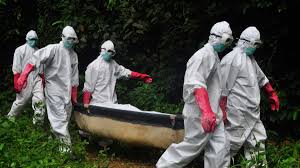
Some families in affected regions have reportedly hidden sick relatives from authorities to avoid isolation procedures, unintentionally increasing community transmission. Unsafe burial practices have also contributed to the spread of the disease because Ebola can remain highly contagious after death. Health workers are now struggling to educate communities about safe burials while respecting local traditions and religious practices.
International concern is growing rapidly as governments around the world strengthen surveillance and emergency preparedness measures. Several countries have introduced additional airport screenings for travelers arriving from affected regions, while health agencies in Europe and Asia are reviewing emergency response plans after reports of suspected exposure cases linked to international travel. Although no major international spread has been confirmed, experts warn that increased global movement could create new risks if the outbreak is not controlled quickly.
The World Health Organization has called for urgent international support, warning that delayed action could allow the outbreak to escalate into a wider continental emergency. Emergency funding is currently being mobilized to support mobile treatment centers, laboratory testing, protective equipment distribution, medical staff deployment, community education programs, and border monitoring systems. Humanitarian organizations including CARE International and Médecins Sans Frontières have already expanded operations in several affected communities, but aid groups warn that available resources remain insufficient compared to the scale of the crisis.
Beyond the immediate health danger, the Ebola outbreak could trigger serious economic and social consequences across Africa. Cross-border trade between Uganda and DR Congo is already slowing as governments tighten health controls and movement restrictions. Markets in several regions are experiencing reduced activity due to fears of infection, while schools and public gatherings may face additional restrictions if transmission rates continue rising. Tourism and international business travel could also be affected if more countries begin issuing travel advisories or implementing stricter border controls.
The outbreak is once again exposing the deep weaknesses in healthcare systems across many African countries. Public health experts argue that repeated outbreaks reveal long-standing structural problems including underfunded hospitals, shortages of trained medical workers, poor disease surveillance systems, and limited emergency preparedness capacity. Rural communities remain particularly vulnerable because many areas still lack laboratories, ambulances, emergency response infrastructure, and reliable access to healthcare services.
Experts also believe the crisis highlights Africa’s continued dependence on international assistance during major health emergencies. While foreign aid and global partnerships remain important, many analysts argue that stronger investments in local healthcare systems, medical research, and disease prevention programs are urgently needed to reduce future risks. Some health specialists believe the current Ebola outbreak could become a turning point that forces governments across Africa to prioritize long-term healthcare reforms and improve emergency response capabilities.
The psychological impact of the outbreak is also becoming increasingly visible. Fear, panic, and stigma often spread faster than the virus itself during major health crises. Survivors and affected families sometimes face discrimination from their communities, while misinformation circulating online and through word of mouth continues to create confusion and anxiety. Public health officials say clear communication and community trust will be essential if containment efforts are to succeed.
Health authorities warn that the coming weeks may determine whether the outbreak can be brought under control before it spreads further into larger cities and neighboring countries. Containment efforts now depend heavily on rapid case identification, faster laboratory testing, increased public cooperation, healthcare worker protection, safe burial practices, and stronger international support. Every delay increases the risk of wider transmission and makes containment more difficult.
For millions of people across Africa, the latest Ebola outbreak is more than just another health emergency. It is a major test of the continent’s healthcare systems, emergency preparedness, political stability, and ability to respond to one of the world’s deadliest diseases under extremely challenging conditions. As the outbreak continues to spread, governments, health agencies, and humanitarian organizations are racing against time to prevent another large-scale Ebola catastrophe that could have devastating consequences for Africa and the rest of the world.
