
South Africa’s Electricity Breakthrough as Power Stability Returns Sparks Economic Hope
- Entertainment Featured Politics World
Anyaele Happiness
- 0
- 6 minutes read
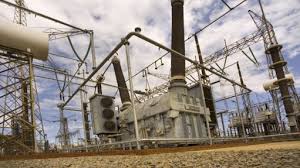
South Africa is experiencing a rare wave of economic optimism as improvements in electricity supply begin to ease years of severe power shortages that have disrupted businesses, slowed economic growth, and weakened investor confidence. The country’s long-standing electricity crisis, largely driven by challenges at the state-owned power utility Eskom, has been one of the biggest barriers to development, but recent stability in power generation is now being seen as a possible turning point for Africa’s most industrialized economy.
For over a decade, frequent load shedding and power cuts have affected nearly every sector of the South African economy. Businesses have had to rely on expensive generators, factories have reduced production hours, and small enterprises have struggled to survive rising operational costs. The instability also discouraged foreign investors who viewed electricity insecurity as a major risk to long-term investment in the country. However, recent improvements in generation capacity and maintenance reforms at Eskom have significantly reduced the frequency of outages, creating cautious optimism among economists and business leaders.
Government officials have attributed the improvement to a combination of emergency maintenance programs, increased oversight of power stations, and gradual integration of additional energy sources into the national grid. Independent power producers and renewable energy projects have also contributed to easing pressure on the system, particularly during peak demand periods. While challenges remain, the reduction in nationwide blackouts has been described as one of the most encouraging developments in South Africa’s recent economic landscape.
The improved electricity stability has already begun to show effects on economic performance. Manufacturing output is recovering slowly, retail businesses are experiencing fewer disruptions, and logistics operations are becoming more efficient. Economists believe that even a modest reduction in power outages can significantly improve GDP growth, as energy reliability is a critical driver of industrial productivity and investor confidence.
Financial markets have also responded positively to the progress. Investor sentiment toward South Africa has improved, with analysts noting increased interest in infrastructure, energy, and manufacturing sectors. The stronger outlook was recently reinforced by global credit rating agency Moody’s, which upgraded South Africa’s economic outlook from stable to positive, citing easing fiscal risks and improved economic management.
Despite these gains, experts warn that the electricity crisis is not fully resolved. Eskom continues to face long-term structural challenges, including aging infrastructure, financial debt, and ongoing maintenance needs. Some power stations still operate below optimal capacity, and the risk of future disruptions remains if reforms slow down or investment declines.
Unemployment and inequality also continue to weigh heavily on the economy. South Africa still has one of the highest unemployment rates in the world, particularly among young people, and many communities have yet to feel the benefits of improved economic conditions. Economists emphasize that electricity recovery must be matched with broader reforms in education, infrastructure, and industrial development to create sustainable job growth.
Business leaders argue that consistent energy supply is the foundation of economic recovery. Many companies are now reconsidering expansion plans that were previously delayed due to power instability. Industries such as mining, automotive manufacturing, agriculture processing, and digital services are expected to benefit the most if electricity reliability continues to improve.
Energy analysts also highlight the growing role of renewable energy in stabilizing South Africa’s power system. Solar and wind projects are increasingly being integrated into the national grid, reducing dependence on coal-powered stations. This shift is not only improving supply stability but also aligning South Africa with global climate goals and attracting green investment funds from international partners.
However, some critics caution that recent improvements could be temporary if deeper structural issues are not addressed. Corruption scandals, technical failures, and financial mismanagement in the energy sector have historically undermined reform efforts. Experts say long-term success will depend on sustained investment, strong governance, and transparent management of Eskom and related energy infrastructure.
The government has maintained that electricity reform remains a top national priority, as stable power supply is essential for economic recovery, job creation, and social development. Officials are optimistic that continued improvements will help South Africa regain its position as a leading investment destination in Africa, particularly as global investors search for stable emerging markets.
For ordinary citizens, the reduction in load shedding has brought a sense of relief after years of uncertainty. Daily life, from small businesses to household routines, has become more manageable as power cuts become less frequent. However, many remain cautious, remembering previous periods where improvements were followed by renewed crises.
As South Africa continues its recovery journey, the electricity sector remains at the center of national attention. Whether the current progress becomes a lasting transformation or a temporary improvement will depend on how effectively the country manages infrastructure investment, policy consistency, and energy diversification in the coming years.
For now, the country is experiencing a rare moment of optimism as improved electricity supply begins to restore confidence in Africa’s most industrialized economy and opens the door for stronger long-term growth.
