
Africa Rethinks Its Financial Future as Leaders Push to End Dependence on Foreign Aid
- Entertainment Featured Politics World
Anyaele Happiness
- 0
- 5 minutes read
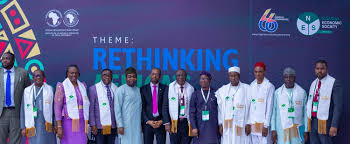
Africa is entering a critical moment in its economic history as leaders, economists, and policymakers push for a major shift away from dependence on foreign aid toward self-financed development. At the center of this conversation are the African Development Bank (AfDB) annual meetings, where governments across the continent are debating how Africa can mobilize its own financial resources to fund infrastructure, healthcare, energy, and industrial growth in an increasingly uncertain global economy.
The discussions come at a time when many African countries are facing rising debt levels, reduced international aid flows, and tighter global financial conditions. Traditional sources of development funding from Western governments and international institutions are shrinking as donor countries redirect budgets toward domestic priorities and global geopolitical concerns. This shift has created urgency among African leaders to find alternative financing models that reduce vulnerability to external financial decisions.
A key focus of the discussions is the vast amount of untapped domestic capital within Africa itself. Economists estimate that the continent holds trillions of dollars in pension funds, insurance assets, sovereign wealth funds, remittances, and private savings that are often not fully channeled into productive development projects. Policymakers argue that better financial coordination and stronger investment frameworks could help redirect these funds into infrastructure and economic development across African nations.
The AfDB leadership has proposed new strategies aimed at strengthening what is being called Africa’s internal financial architecture. This includes improving capital markets, encouraging cross-border investment within Africa, and creating mechanisms that allow pension and sovereign wealth funds to invest more safely in long-term development projects. The goal is to reduce reliance on external borrowing and build a more resilient financial system that is controlled and sustained within the continent.
Another major issue dominating the discussions is Africa’s rising debt burden. Many governments are already spending a large portion of their national budgets on debt servicing, leaving limited resources for essential services such as healthcare, education, and infrastructure development. Rising global interest rates have made borrowing more expensive, increasing pressure on already fragile economies. Leaders argue that without a new financing strategy, debt dependency could continue to restrict economic growth for years.
The role of international financial institutions such as the International Monetary Fund and the World Bank is also being debated. While these institutions provide critical financial support, some African leaders believe that current lending structures do not fully reflect Africa’s economic potential or development needs. There are growing calls for reforms in global financial systems, including credit rating methodologies that many argue unfairly increase borrowing costs for African countries.
At the same time, African policymakers are exploring the creation of stronger regional financial systems that can support development projects without excessive reliance on external lenders. Ideas include expanding intra-African lending programs, strengthening regional banks, and boosting trade within the continent under frameworks like the African Continental Free Trade Area. These efforts are seen as essential for building a more integrated and self-reliant African economy.
The urgency of these discussions is also driven by Africa’s rapid population growth. With millions of young people entering the workforce every year, the demand for jobs, infrastructure, and services is increasing at an unprecedented rate. Without sufficient investment, economists warn that unemployment and inequality could worsen, creating long-term social and economic challenges across many countries.
Despite the challenges, there is also optimism among some analysts who believe Africa has significant untapped economic potential. The continent is rich in natural resources, renewable energy capacity, agricultural land, and a growing digital economy. If properly managed, these assets could generate substantial domestic revenue and reduce reliance on foreign funding over time.
However, experts also caution that mobilizing domestic capital will require strong governance, financial transparency, and institutional trust. Weak regulatory systems, corruption risks, and limited financial infrastructure in some countries remain major barriers to efficient capital allocation. Without reforms, even available funds may not be effectively directed toward development goals.
The AfDB meetings have therefore become a defining moment for Africa’s economic direction. The central question being debated is no longer whether Africa needs development funding, but whether it can successfully build a system that allows it to fund its own growth sustainably. The outcome of these discussions could shape investment strategies, economic policies, and regional cooperation across the continent for years to come.
As Africa continues to face global economic uncertainty, rising debt pressures, and declining foreign aid, the push for financial independence is becoming stronger than ever. The decisions made in these discussions may determine whether the continent moves toward long-term economic self-reliance or continues to depend heavily on external financial support in the years ahead.
