
Over 1,000 Nigerians Seek Return Home as Fresh Xenophobic Attacks Rock South Africa
- Featured Politics World
Anyaele Happiness
- 0
- 5 minutes read
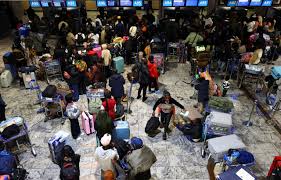
A fresh wave of xenophobic tensions in South Africa has triggered growing concern across Africa after more than 1,000 Nigerians reportedly registered to return home amid fears for their safety. The development has once again brought the long-standing issue of anti-foreigner violence in South Africa into the spotlight, raising questions about migration, economic hardship, and the future of African unity in a continent that continues to grapple with social and economic challenges.
According to reports, Nigerian authorities have begun processing requests from citizens who wish to leave South Africa following recent attacks and rising hostility directed at foreign nationals. Many Nigerians living in South Africa say they no longer feel safe due to increasing incidents of intimidation, harassment, and violence that have targeted migrant communities in several parts of the country. The situation has generated widespread reactions on social media, where many Africans have expressed concern over recurring xenophobic outbreaks that continue to threaten the lives and livelihoods of immigrants.
For decades, South Africa has remained one of Africa’s most attractive destinations for migrants seeking better economic opportunities. The country’s relatively advanced economy, business environment, and employment prospects have drawn people from across the continent, including thousands of Nigerians who have established businesses, careers, and families there. However, economic pressures, rising unemployment, and growing public frustration have frequently fueled tensions between local communities and foreign nationals, leading to repeated episodes of xenophobic violence.
Many Nigerians affected by the latest developments say they are facing difficult choices. While some have spent years building businesses and investing in South Africa, concerns about personal safety are forcing many to reconsider their future. Several community leaders have reported that fear is spreading among migrants who worry that isolated incidents could escalate into larger outbreaks similar to previous waves of xenophobic attacks that resulted in deaths, injuries, and significant property destruction.
The issue extends beyond Nigeria, as citizens from other African countries have also reportedly expressed concerns about their security. Past episodes of xenophobic violence have affected migrants from Zimbabwe, Mozambique, Malawi, Ethiopia, Somalia, and several other nations. The recurring nature of these incidents has led to criticism from regional organizations and governments that argue such attacks undermine efforts to strengthen cooperation and integration across Africa.
The latest repatriation requests come at a time when economic challenges continue to affect many South Africans. High unemployment rates, rising living costs, and social inequalities have contributed to growing frustration among some sections of the population. Analysts note that migrants are often unfairly blamed for broader economic problems despite evidence showing that many foreign nationals contribute significantly to local economies through entrepreneurship, job creation, and investment.
For Nigeria, the situation represents both a humanitarian and diplomatic challenge. Authorities must not only ensure the safe return of citizens who wish to come home but also engage South African officials to address the root causes of recurring tensions. Previous incidents of xenophobic violence have strained relations between Africa’s two largest economies, leading to diplomatic interventions, public protests, and calls for stronger protections for migrant communities.
The growing number of Nigerians seeking repatriation has also reignited conversations about economic opportunities back home. Some observers argue that improving employment prospects, infrastructure, and business conditions in Nigeria could reduce the need for outward migration and encourage skilled professionals and entrepreneurs to remain within the country. Others point out that migration is a global reality and that the focus should be on ensuring that Africans can live and work safely anywhere on the continent without fear of discrimination or violence.
Across social media platforms, reactions have been mixed. While many users have expressed sympathy for affected Nigerians, others have used the moment to call for broader discussions about migration policies, border management, and economic development across Africa. The story has quickly become one of the continent’s most talked-about topics, reflecting the emotional and political sensitivity surrounding issues of identity, nationality, and economic competition.
As officials continue processing repatriation requests, attention will remain fixed on how both governments respond to the situation. Many hope that swift diplomatic engagement and stronger community interventions can help prevent further violence while protecting the rights of all residents regardless of nationality. For the more than 1,000 Nigerians seeking a way home, however, the issue is deeply personal. Behind every registration is a story of uncertainty, fear, and a difficult decision made in pursuit of safety.
The latest developments serve as a reminder that despite decades of progress toward African integration, significant challenges remain. The dream of a continent united by shared prosperity and freedom of movement cannot be fully realized while migrants continue to face hostility and insecurity. As events unfold, the experiences of Nigerians in South Africa will remain a critical test of Africa’s commitment to solidarity, human rights, and the protection of all its people.
