
Peter Obi Confirms 2027 Presidential Bid as Nigeria’s Political Landscape Begins to Shift
- Featured Politics World
Anyaele Happiness
- 0
- 6 minutes read
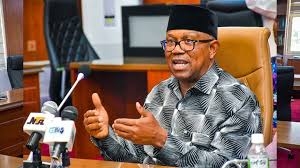
Nigeria’s political atmosphere is beginning to heat up far earlier than many expected following the confirmation that Peter Obi will contest the 2027 presidential election. The announcement has immediately sparked nationwide discussions among voters, political analysts, party stakeholders, and supporters who view the former Anambra State governor as one of the most influential opposition figures in the country today. With nearly a year of post-election debates still shaping public discourse, Obi’s declaration has injected fresh momentum into conversations about leadership, governance, economic reform, and the future direction of Africa’s most populous nation.
The confirmation comes at a crucial moment in Nigeria’s political journey. Since the 2023 presidential election, Peter Obi has remained one of the most talked-about political figures in the country, maintaining a strong presence among young voters, professionals, entrepreneurs, and members of the Nigerian diaspora. His campaign movement transformed political engagement in unprecedented ways, particularly among first-time voters who saw his candidacy as an opportunity to challenge traditional political structures that have dominated the nation’s democratic landscape for decades.
Political observers believe the announcement is likely to reshape calculations across party lines as preparations for the 2027 election cycle gradually begin. Although the election remains some distance away, major political actors are already positioning themselves for what could become one of the most competitive presidential contests in Nigeria’s recent history. Obi’s decision to enter the race early provides his supporters with a rallying point while simultaneously placing pressure on rival political parties to clarify their own strategies and potential candidates.
The significance of Peter Obi’s candidacy extends beyond ordinary political competition. Over the years, he has built a reputation around fiscal discipline, accountability, prudent management of public resources, and economic development. Supporters frequently point to his tenure as governor of Anambra State, where he was widely recognized for emphasizing investments in education, healthcare, and infrastructure while maintaining a focus on financial sustainability. These credentials continue to form the foundation of his appeal among Nigerians frustrated by persistent economic challenges, insecurity, unemployment, and inflation.
Many Nigerians view the upcoming election as a critical opportunity to address issues that continue to affect daily life across the country. Rising living costs, currency pressures, youth unemployment, insecurity, and concerns about governance remain dominant topics in public conversations. Against this backdrop, Obi’s early declaration is likely to intensify scrutiny of policy proposals and leadership credentials as voters begin evaluating who is best positioned to tackle the country’s most pressing challenges.
The announcement has also reignited the energy of the political movement that emerged around his previous presidential campaign. Across social media platforms, supporters have expressed excitement about another opportunity to mobilize around a candidate they believe represents change and reform. Hashtags related to Peter Obi quickly gained traction online as conversations spread across digital communities, reflecting the enduring influence of a political movement that reshaped voter engagement in recent years.
However, the road to 2027 is expected to be far from straightforward. Nigeria’s political environment remains highly dynamic, with shifting alliances, emerging coalitions, and evolving party structures likely to influence the outcome of the next election. Analysts suggest that opposition parties may face increasing pressure to unite around common objectives if they hope to mount a formidable challenge against the ruling establishment. At the same time, internal party negotiations and strategic decisions could significantly alter the political landscape over the coming months.
The announcement has also triggered broader discussions about generational change in Nigerian politics. Younger voters, who played a significant role in driving political engagement during previous elections, are expected to remain an influential force heading into 2027. Many political commentators believe the next election cycle could once again be shaped by digital campaigns, grassroots organizing, and issue-based advocacy rather than solely relying on traditional political structures.
Beyond electoral calculations, Peter Obi’s decision to run has reignited debates about the type of leadership Nigerians want in the coming years. Questions surrounding economic diversification, job creation, anti-corruption efforts, education reform, security improvements, and institutional strengthening are likely to dominate public discussions as the election approaches. Voters are increasingly demanding concrete solutions to long-standing challenges, making policy credibility a potentially decisive factor in the race.
As anticipation builds, political stakeholders across the country will be closely monitoring developments within major parties and emerging political movements. The coming months are expected to reveal new alliances, strategic partnerships, and policy positions that could shape the direction of the campaign. For many Nigerians, however, the significance of Peter Obi’s announcement lies not only in his candidacy itself but in what it represents: the beginning of another crucial chapter in the nation’s democratic evolution.
With the 2027 presidential election gradually coming into focus, one thing is already becoming clear. Nigeria’s political conversation has entered a new phase, and Peter Obi’s decision to contest has ensured that debates about the country’s future will remain at the center of national attention. Whether viewed as a symbol of change, a leading opposition contender, or a catalyst for renewed political engagement, his entry into the race has set the stage for what could become one of the most consequential elections in Nigeria’s democratic history.
