
Nigeria and Kenya Drive Africa’s Electric Vehicle Revolution with Locally Assembled Vans
- Business Featured World
Anyaele Happiness
- 0
- 3 minutes read
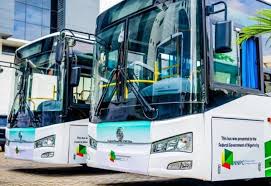
Africa’s transition to cleaner transportation is gaining momentum as Nigeria and Kenya take the lead in assembling electric vans from Chinese electric vehicle kits. This emerging partnership marks a significant step toward reducing carbon emissions, cutting fuel dependency, and strengthening local manufacturing capacity across the continent.
In both countries, the focus is on assembling affordable electric vans designed primarily for urban transport, logistics, and small business operations. By importing semi-knocked-down kits and completing assembly locally, manufacturers are able to reduce costs while simultaneously building domestic technical expertise. The approach also creates jobs in assembly plants, maintenance services, and supply chains, contributing to broader economic development goals.
For Nigeria, Africa’s most populous nation, the shift toward electric mobility comes amid rising fuel costs and persistent energy challenges. Electric vans present an alternative for commercial transport operators seeking lower long-term operating expenses. With transportation accounting for a substantial share of urban air pollution, the move is also aligned with environmental sustainability targets and climate commitments.
Kenya, already recognized for its innovation in renewable energy and green mobility initiatives, is leveraging its growing clean energy infrastructure to support electric vehicle adoption. The country generates a large portion of its electricity from renewable sources such as geothermal and hydro power, making the environmental benefits of electric transport even more impactful. By integrating EV assembly into its industrial strategy, Kenya is positioning itself as a regional hub for sustainable mobility solutions.
The partnership with Chinese EV manufacturers reflects a broader trend of China-Africa industrial collaboration, where technology transfer and infrastructure investment play central roles. Rather than relying solely on imported finished vehicles, local assembly helps African economies capture more value within their borders. Over time, this could pave the way for increased local component manufacturing and eventually fully domestically produced electric vehicles.
Challenges remain, including limited charging infrastructure, high upfront vehicle costs, and the need for supportive regulatory frameworks. However, policymakers in both countries are exploring incentives such as tax reductions, import duty adjustments, and public-private partnerships to accelerate adoption. If these measures succeed, Nigeria and Kenya could set a blueprint for other African nations seeking to modernize their transport systems while promoting industrial growth.
As global momentum toward electrification intensifies, the steps taken by Nigeria and Kenya signal that Africa is not merely a consumer of green technology but an emerging participant in its production and innovation. The success of locally assembled electric vans could mark the beginning of a broader transformation in how the continent powers its cities and connects its communities.
