
Outrage Grows as WAEC Exam Delays Leave Nigerian Students Writing Papers Late Into the Night
- Featured Politics World
Anyaele Happiness
- 0
- 6 minutes read
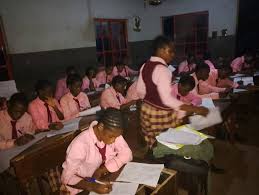
A wave of frustration, concern, and public criticism has swept across Nigeria following reports that thousands of students participating in the ongoing West African Senior School Certificate Examination (WASSCE) were forced to sit for examinations far later than scheduled, with some candidates reportedly writing papers late into the evening. The controversy has quickly become one of the country’s most talked-about education stories, sparking nationwide debate about examination management, student welfare, and the future of academic assessment in Nigeria.
What should have been a routine examination period for final-year secondary school students instead became a stressful and emotional experience for many candidates, parents, and teachers. Reports emerging from different parts of the country indicate that logistical challenges, delays in the distribution of examination materials, and operational disruptions resulted in significant schedule changes that affected numerous examination centers. In several locations, students reportedly spent hours waiting before being allowed to begin their papers, creating uncertainty and anxiety during one of the most important academic periods of their lives.
For many candidates, the delay transformed an already demanding examination process into an exhausting ordeal. Students who had prepared mentally and physically for their scheduled examination times suddenly found themselves waiting for extended periods under difficult conditions. Some candidates reportedly remained at examination centers until late at night, raising concerns about safety, concentration, transportation, and the overall impact on academic performance.
Parents across the country expressed anger and concern as reports circulated online showing students leaving examination centers long after dark. Many questioned how candidates, particularly those in rural areas, would safely return home after completing examinations at such late hours. Others worried about the emotional and psychological toll the delays may have had on students who were already under significant pressure to perform well in examinations that could shape their academic and professional futures.
The issue quickly gained traction on social media, where students, parents, teachers, and public figures shared their reactions. Images, videos, and firsthand accounts spread rapidly across digital platforms, turning the examination delays into a national conversation. Many users criticized what they viewed as inadequate planning and called for urgent reforms to prevent similar situations in future examination cycles.
Education experts have noted that standardized examinations require careful coordination and precise logistics, especially in a country as large and diverse as Nigeria. Managing examination materials, ensuring security, coordinating transportation, and maintaining consistent schedules across thousands of centers present enormous challenges. However, many stakeholders argue that these complexities should not result in circumstances that place students at a disadvantage or expose them to unnecessary risks.
Beyond the immediate controversy, the incident has reignited broader discussions about the state of Nigeria’s education system. Concerns regarding infrastructure, examination administration, funding, teacher welfare, and institutional capacity have once again entered public discourse. For some observers, the examination delays are not merely isolated incidents but symptoms of deeper structural challenges that require long-term attention and investment.
Students affected by the delays have described feelings of exhaustion, frustration, and uncertainty. Many spent months preparing for their examinations and expected a process that would allow them to demonstrate their knowledge under fair and conducive conditions. Instead, some found themselves battling fatigue, stress, and distractions that may have influenced their ability to perform at their best. Educational psychologists note that examination environments play a critical role in student performance, making proper planning and execution essential components of any assessment process.
The controversy has also highlighted the immense pressure facing Nigerian students. Academic success remains highly competitive, with examination results often determining access to universities, scholarships, and future career opportunities. Any disruption to such a critical process naturally generates strong reactions from students and families who view education as a pathway to economic mobility and personal advancement.
As criticism mounted, many stakeholders called for greater transparency regarding the causes of the delays and the measures being implemented to address them. Parents’ associations, education advocates, and community leaders have urged examination authorities to conduct thorough reviews and ensure lessons are learned from the experience. Many believe accountability and improved planning will be essential to restoring public confidence in the examination process.
The incident has also prompted discussions about leveraging technology and modern logistics systems to improve examination administration across the country. Advocates argue that digital solutions, better coordination mechanisms, and enhanced contingency planning could help reduce the likelihood of future disruptions. As Nigeria continues to modernize various sectors of its economy, many believe educational assessment systems should evolve as well.
Despite the controversy, students continue to demonstrate resilience in the face of challenges. Across the country, candidates remain focused on completing their examinations and pursuing their academic goals. Their determination has drawn praise from many Nigerians who recognize the difficulties young people often navigate while striving for educational success.
As the conversation continues, the WAEC examination delays have become more than just an administrative issue. They have sparked a national reflection on how educational institutions serve students and whether existing systems are adequately prepared to meet the expectations of a growing population. For many families, the hope is that the lessons learned from this episode will lead to meaningful improvements that ensure future candidates can focus on what matters most—demonstrating their knowledge and achieving their academic potential without unnecessary obstacles.
The growing public reaction serves as a reminder that education remains one of the most important priorities for Nigerians. When examination processes encounter serious disruptions, the effects extend beyond classrooms and examination halls, touching families, communities, and the broader future of the nation itself.
