
Dangote Petroleum Refinery Ramps Up Output After Government Introduces 15 % Fuel Import Duty
- Business
Chukwuma Zuru
- 0
- 7 minutes read
Nigeria’s federal government has imposed a 15 % import duty on petrol and diesel to protect domestic refining and reduce the country’s dependence on imported fuel. The measure is aimed at strengthening local production, saving foreign exchange, and supporting Nigeria’s industrialisation agenda.
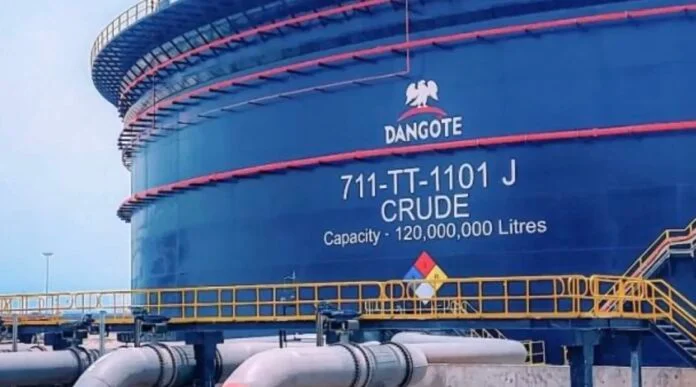
In response, the Dangote Petroleum Refinery, Africa’s largest refinery with a capacity of 650,000 barrels per day, has ramped up production. Current figures indicate the refinery is now producing over 45 million litres of petrol and 25 million litres of diesel daily, enough to meet and exceed Nigeria’s domestic fuel demand.
“The duty is a good start to encourage local production, protect jobs, and support the government’s broader economic agenda,” said Anthony Chiejina, Dangote Refinery spokesperson.
Why the Import Duty Matters
The 15 % duty was introduced to:
- Protect local refineries from cheaper imported fuel flooding the market.
- Reduce Nigeria’s annual fuel import bill, which currently costs billions in foreign exchange.
- Encourage investment in domestic refining capacity and infrastructure.
This policy aligns with the government’s broader plan to make Nigeria self-sufficient in fuel supply and support the growth of the downstream petroleum sector.
Economic Implications
The ramp-up in local production and the import duty could have wide-reaching effects:
Positive impacts:
- Increased local fuel production reduces dependence on imports.
- Boosts investor confidence in Nigeria’s refining sector.
- Potential savings on foreign exchange and stabilisation of the naira.
Challenges:
- Fuel marketers warn that the import duty may increase retail prices by N90‑N100 per litre.
- Distribution and logistics challenges could still affect availability despite higher refinery output.
- Market dominance of a single large refinery could raise regulatory concerns over monopoly power.
What This Means for Stakeholders
- Consumers: May benefit from more consistent fuel supply but need to watch for possible price increases.
- Investors: Nigeria’s refining sector becomes more attractive if production and distribution remain reliable.
- Government: Policy effectiveness depends on coordination across crude supply, refining, and downstream distribution.
- Fuel importers: Face increased competition and must adapt by diversifying or partnering with local refineries.
- Refining Industry: Dangote’s production surge sets the standard for other domestic players, encouraging growth and efficiency.
The combination of Nigeria’s new import duty and the Dangote Refinery’s production ramp-up marks a key milestone in the country’s fuel independence journey. If managed effectively, it could boost local industry, safeguard foreign exchange, and improve fuel supply. However, the ultimate success depends on balancing market competitiveness, regulatory oversight, and effective distribution.
For Nigeria’s business community, this is not just about fuel, it’s a clear example of how policy, industry strategy, and market dynamics intersect to shape the economy.
