
Rent Surge Pushes Households Toward Eviction
- Business
Chukwuma Zuru
- 0
- 4 minutes read
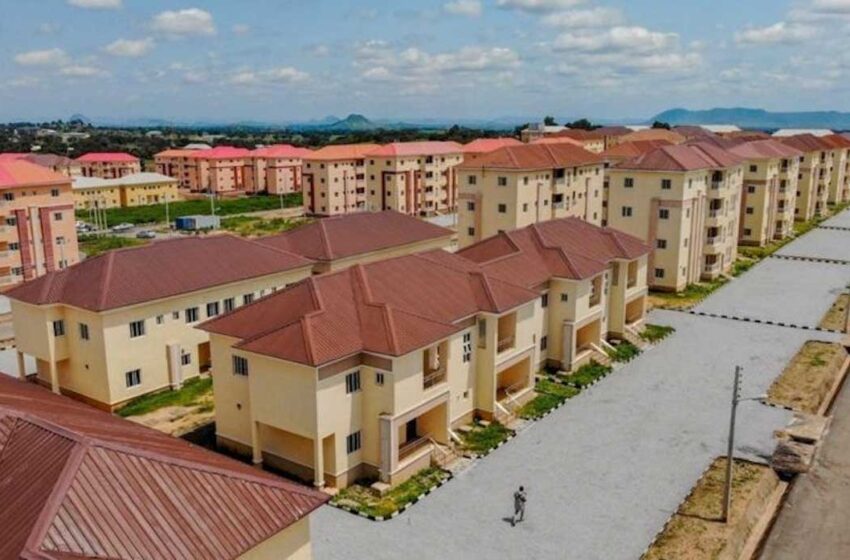
Rent keeps rising across Nigeria, and the trend is now a national economic pressure point. Lagos, Abuja and major urban centers report sharp increases driven by limited housing supply, higher construction costs and weak enforcement of tenancy laws. Many tenants face rent hikes that outrun their income. Some record increases above 80 percent in popular Lagos suburbs. The experience is the same across many middle-income neighborhoods. Households stretch beyond limits to stay in their current homes.
Demand for housing keeps growing while new supply fails to match population shifts. Lagos alone hosts over a million rental households. Developers struggle with high costs. Cement, steel and finishing materials rise monthly. Many landlords raise rent to absorb inflation and maintenance expenses. Imported materials worsen the financial strain. Rental yields remain more attractive to investors than sales because mortgage interest rates remain high. This keeps pressure on tenants and distorts the market.
Weak compliance with tenancy rules fuels the crisis. Many Lagos tenants report inflated agency and legal fees, far above the 10 percent limit set by law. Enforcement remains weak. Most tenants choose to endure the situation because legal challenges cost money and time. This creates an imbalance that favors landlords. Evictions increase as payment deadlines shorten. More families downgrade to smaller apartments or relocate to distant outskirts where rent is cheaper. Workers now face long commutes. Living conditions drop. Shared rooms, overcrowded flats and poor ventilation become common.
Landlords point to their own struggles. Diesel prices fluctuate. Building security, repairs and waste management cost more than before. Many landlords say they adjust rent only to stay afloat. High-end segments stay profitable. Ikoyi, Victoria Island and Abuja maintain strong rental demand from foreign firms and high-income earners. The market splits into two. Premium housing thrives while affordable housing declines.
Government responses remain slow. Nigeria’s housing deficit continues to grow. Rent-to-own schemes exist but remain limited. Public housing projects move at a slow pace. Mortgage systems lock out average workers. Regulations look good on paper but lack real enforcement. Tenants know their rights but hesitate to act because the cost of fighting outweighs the benefit. This keeps the cycle in place.
The rising cost of rent is now a social issue. It affects worker productivity, family decisions and community stability. Many young people delay independence. Families move often, disrupting education and livelihoods. The stress becomes part of everyday life.
Nigeria’s rental system needs balance. Government must enforce tenancy rules. Developers must expand supply beyond luxury projects. Banks must design mortgage systems for regular wage earners. Civil society must push for clarity in rental practices. Without these changes, rent will continue rising faster than income, and millions will struggle to keep a stable home.
